
What holds a sculpture that is more than two thousand years old? How can an extremely fragile archaeological artifact be displayed without compromising its preservation? Behind many of the objects we admire in museums lies work that is practically invisible, yet essential to protecting our historical heritage.
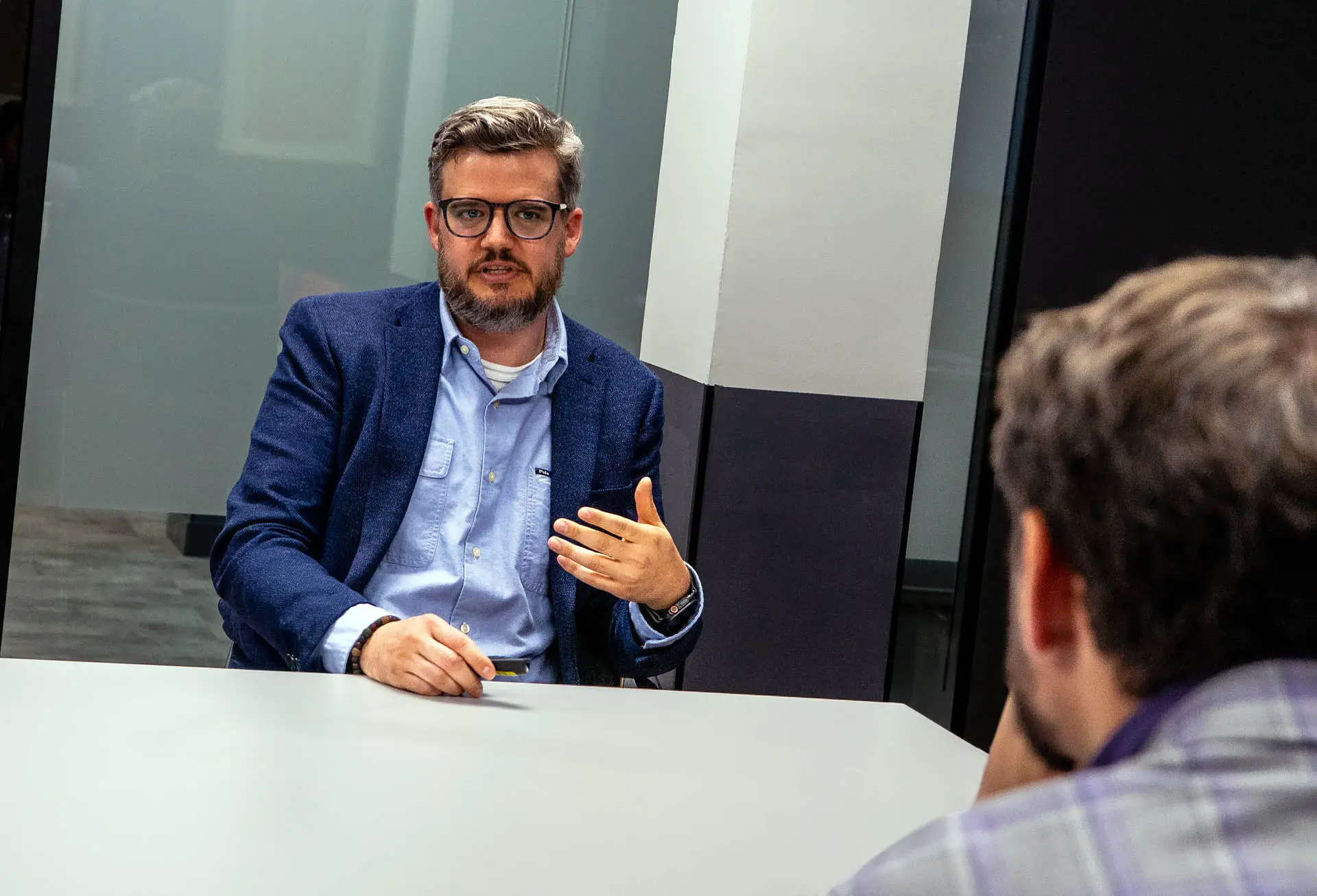
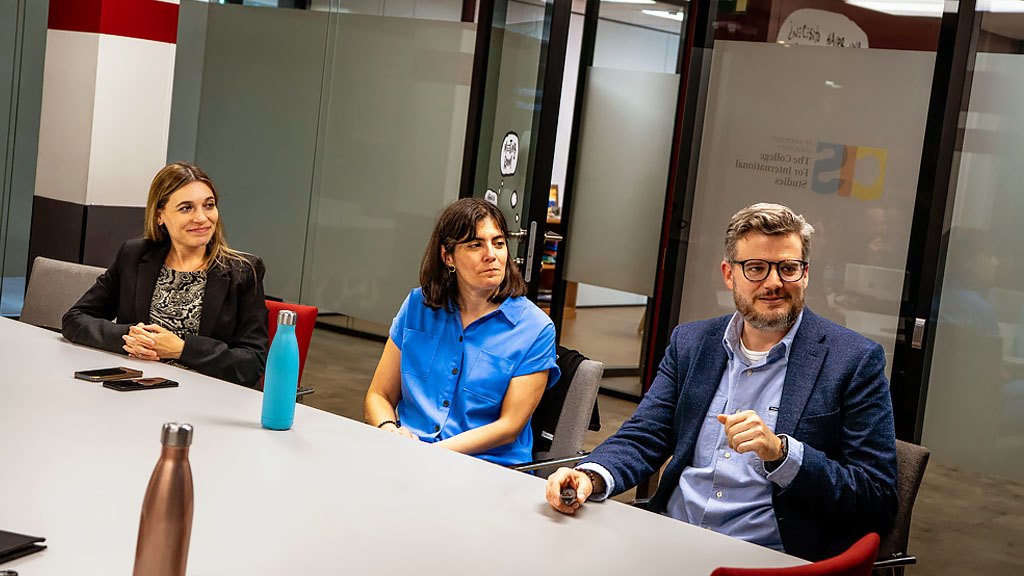
During the third meeting of the GINA Research Group (CIS University Applied Humanities Research Group), James Cole, a conceptual artist and “Mount Maker” (a specialist in designing and fabricating custom mounts that safely support and display museum objects and works of art) at the Smithsonian Institution’s National Museum of Asian Art, shared insights into a little-known profession that combines art, engineering, history, and meticulous craftsmanship.
The lecture, titled “The Art of Preserving History through Mount Making,” explored the technical and creative challenges of working with valuable historical artifacts, as well as the solutions required to display them safely without altering their appearance or compromising their preservation.
The Art of Displaying History Without Being Seen
As Cole explained, “Mount Making” involves designing and fabricating custom supports that allow historical artifacts and works of art to be displayed and protected while respecting their physical characteristics and conservation needs.
Having worked on hundreds of exhibitions during his eight years at the National Museum of Asian Art, as well as completing professional assignments in Japan, Cole explained how every object presents a different challenge. To illustrate his philosophy, he offered a revealing comparison: “An object is like a person, and its mount is like a tailor-made suit.” Each piece requires a specific solution, carefully adapted to its unique characteristics.
The goal of this little-known discipline is seemingly contradictory: to create a barely visible and technically perfect structure. The less attention the mount attracts, the more freedom the artwork has to tell its own story.
During the lecture, Cole shared some of his most remarkable projects, including the mounts designed to display delicate wooden masks:
“Traditionally, masks were simply hung on museum walls. However, we noticed that many visitors were trying to take selfies pretending to wear them. So we designed a glass display case at face level, allowing each mask to be viewed from both the front and the back. This way, visitors could position themselves behind the mask and take pictures as if they were wearing it, without ever touching it. They left not only with a photograph of the artwork, but also with the experience of having interacted with it.”
The lecture offered a glimpse into a profession that usually remains behind the scenes, highlighting how different disciplines contribute to preserving our cultural heritage. This event is part of GINA’s activities at CIS University, which continue to bring professionals to the university community whose experiences connect the humanities, art, and applied knowledge.